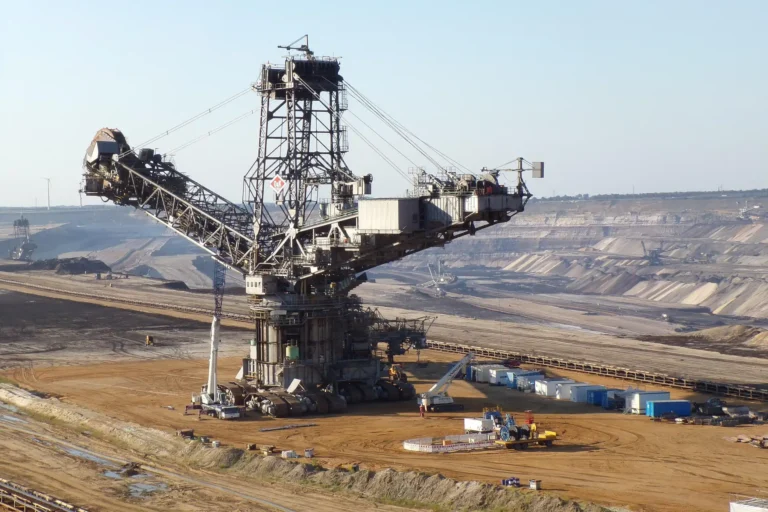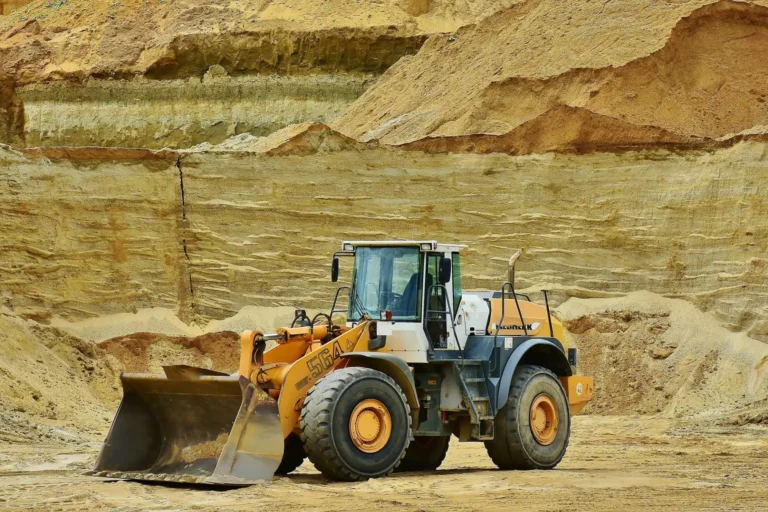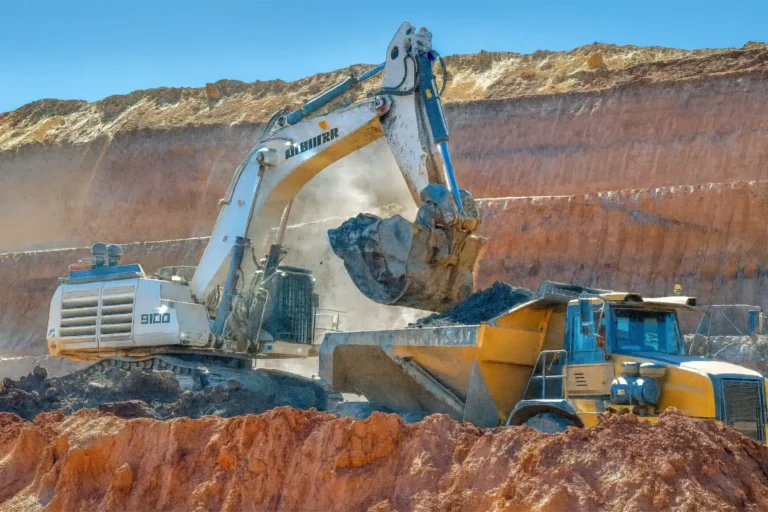
AMining leaves a footprint but it doesn’t have to leave a scar. At Minetec Ltd, we believe that responsible mining includes a clear, science-backed plan for land rehabilitation. It’s not just about compliance; it’s about legacy.
As Malawi’s mining sector accelerates under Vision 2063, the importance of environmental stewardship has never been greater. Investors, regulators, and communities are demanding more than extraction they expect restoration. Minetec Ltd is answering that call by making rehabilitation a core part of our operational model.
Why Rehabilitation Matters
Mining can disrupt ecosystems, alter landscapes, and affect water systems. But with proper planning and execution, these impacts can be mitigated and even reversed. Rehabilitation is the process of restoring mined land to a stable, productive, and ecologically balanced state. It’s essential for:
- Environmental recovery: Preventing erosion, restoring biodiversity, and protecting water resources.
- Community trust: Demonstrating long-term commitment to local well-being.
- Regulatory compliance: Meeting national and international ESG standards.
- Investor confidence: Aligning with sustainability mandates and risk mitigation frameworks.
In short, rehabilitation is not a cost it’s an investment in the future.


Minetec’s Approach: Integrated, Inclusive, Impactful
At Minetec Ltd, we treat rehabilitation as a full-phase service, not a postscript. Our process begins during project planning and continues well beyond the final shift. We work with environmental consultants, community leaders, and technical partners to ensure our rehabilitation plans are:
- Site-specific: Tailored to the geology, hydrology, and ecology of each location.
- Scientifically sound: Based on proven methods in landform design, soil science, and revegetation.
- Community-driven: Informed by local knowledge and aligned with future land use goals.
Our rehabilitation services include:
1. Landform Reshaping
We stabilize slopes, fill voids, and contour the land to mimic natural topography. This reduces erosion risk and prepares the site for revegetation or repurposing.
2. Soil Remediation
We replace topsoil, amend it with organic matter, and test for contaminants. Healthy soil is the foundation for successful plant growth and long-term stability.
3. Native Replanting
We use indigenous species to restore biodiversity and support local ecosystems. Our planting plans consider seasonal cycles, pollinator support, and long-term resilience.
4. Water Management
We design drainage systems, sediment traps, and wetlands to manage runoff and protect nearby water bodies. Water quality monitoring is integrated into our post-closure plans.
5. Community Engagement
We consult with local stakeholders to determine the best post-mining land uses whether agriculture, conservation, or infrastructure. This ensures that rehabilitation delivers lasting value.
Learning from Africa’s Best Practices
Across Africa, leading mining jurisdictions are embracing rehabilitation as a strategic imperative. In South Africa, post-mining land is being repurposed for solar farms and agriculture. In Ghana, revegetated sites have become community forests and eco-tourism hubs. In the DRC, MCK SARL our joint venture partner has implemented successful rehabilitation programs at Ruashi and Kinsevere mines, restoring hundreds of hectares of land.
Minetec Ltd brings these lessons to Malawi, adapting them to local conditions and regulatory frameworks. Our goal is to set a new standard for rehabilitation in the region one that’s proactive, inclusive, and measurable.
Aligning with Vision 2063
Malawi’s Vision 2063 calls for sustainable industrialization and environmental resilience. Mining must contribute to this vision, not compromise it. Minetec Ltd aligns with national goals by:
- Minimizing ecological disruption through careful site planning and operational controls.
- Restoring land for productive use after mining, supporting agriculture and infrastructure.
- Engaging communities in decision-making and benefit-sharing.
- Reporting transparently on rehabilitation outcomes and ESG metrics.
We believe that mining can be a force for good if it’s done with foresight and responsibility.
Conclusion: Restoration Is Reputation
In today’s mining industry, reputation is built not just on what you extract, but on what you leave behind. At Minetec Ltd, we’re committed to leaving a legacy of restoration, not degradation. Our rehabilitation programs are designed to heal the land, empower communities, and uphold the values of sustainability and stewardship.
Because when the last truck rolls out and the last pit is closed, what remains should be something we’re proud of a landscape reclaimed, a community respected, and a future renewed.